


Economic Development
Our economic development creates the conditions for economic growth and improved quality of life by expanding the capacity of individuals, families, and communities.
In partnership with Small Business Development Center (SBDC) & Southern Minnesota Initiative Foundation (SMIF)
Why it Matters
Economic Development practices promotes economic diversification to make a region more resilient to downturns, fosters innovation, and can involve infrastructure improvements and skills development for a more productive workforce. Ultimately, it leads to greater prosperity, increased opportunities, and a more vibrant community.
-
Improves decision-making
It provides the confidence and knowledge to make sound financial choices.
-
Reduces financial stress
Understanding money matters can lead to less anxiety and a greater sense of control.
-
Increases financial stability
Financial literacy can lead to greater personal wealth, stability, and resilience.
-
Helps navigate financial challenges
It prepares individuals to handle life events like job loss or unexpected expenses.
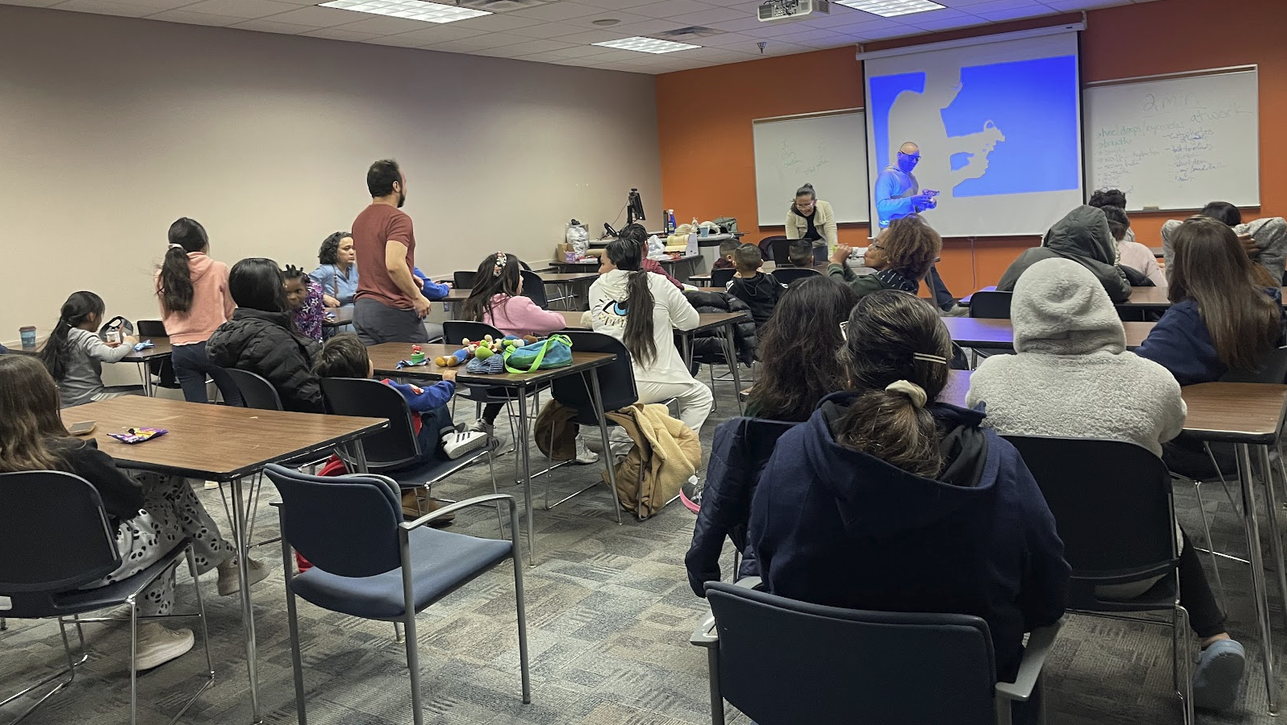
KEY COMPONENTS
Budgeting: Creating and sticking to a spending plan to track income and expenses.
Saving: Setting aside money for future goals and emergencies.
Investing: Using money to generate more wealth over time.
Debt management: Understanding how to use and repay credit and loans wisely to avoid excessive debt.
Understanding financial concepts: Comprehending topics such as interest rates, insurance, and retirement planning.
Financial planning: Making informed choices to prepare for long-term goals like retirement or a child's education
-
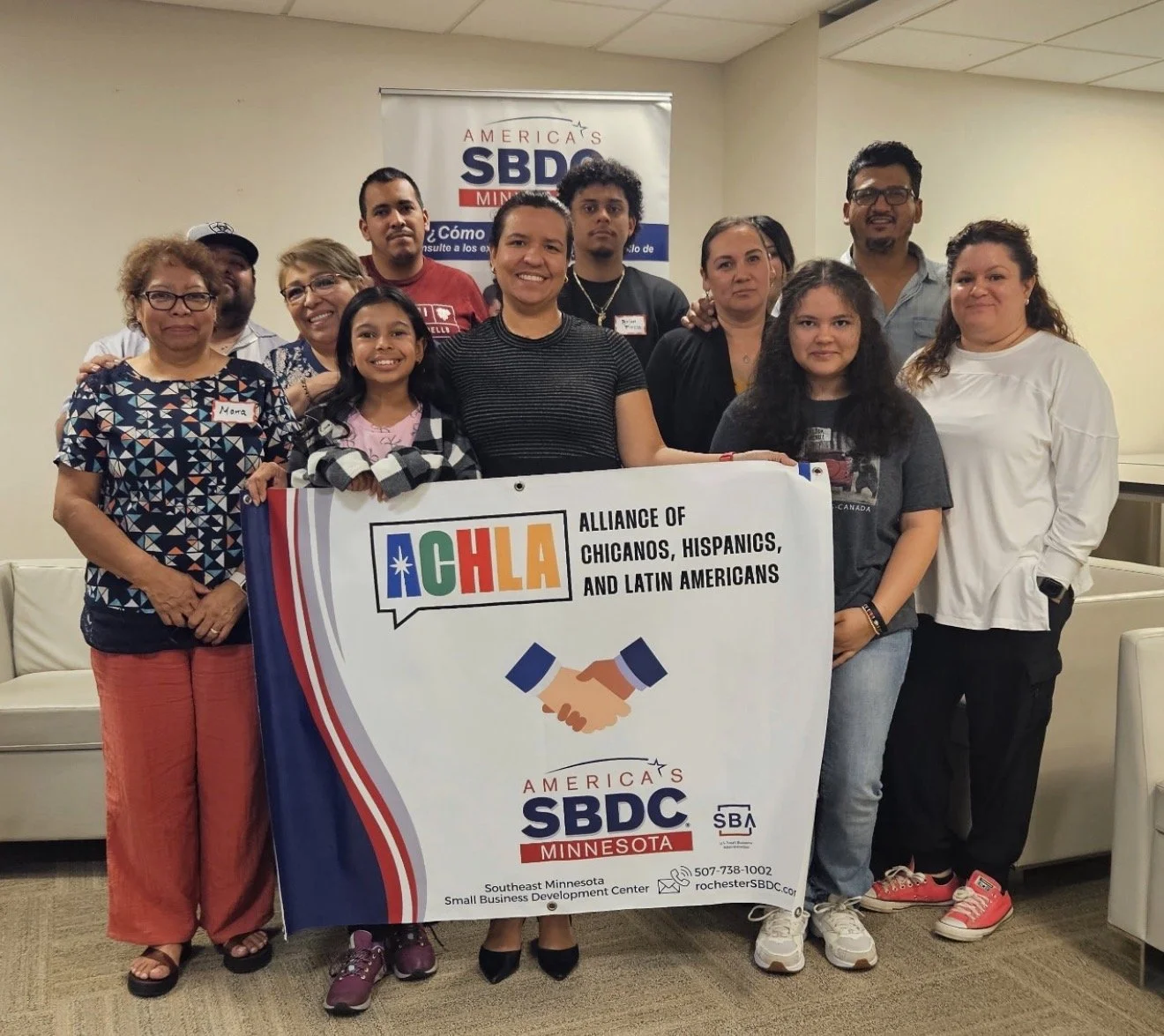
SBDC Rochester
SBDC represents the collective interest of their members by promoting, informing, supporting and continuously improving the Small Business Development Center (SBDC) network, which delivers nationwide educational assistance to strengthen small/medium business management, thereby contributing to the growth of local, state and national economies.
-
Southern Minnesota Initiative Foundation
Southern Minnesota Initiative Foundation (SMIF), a donor-supported foundation, invests for economic growth in the 20 counties of south central and southeastern Minnesota – this includes 175 communities and one Native nation. SMIF’s key interests include entrepreneurship, early childhood development and community vitality. SMIF has invested over $178 million in the region since 1986.